


Storage, Racking & Shelving


TOPSELLER IN STORAGE, RACKING & SHELVING
-
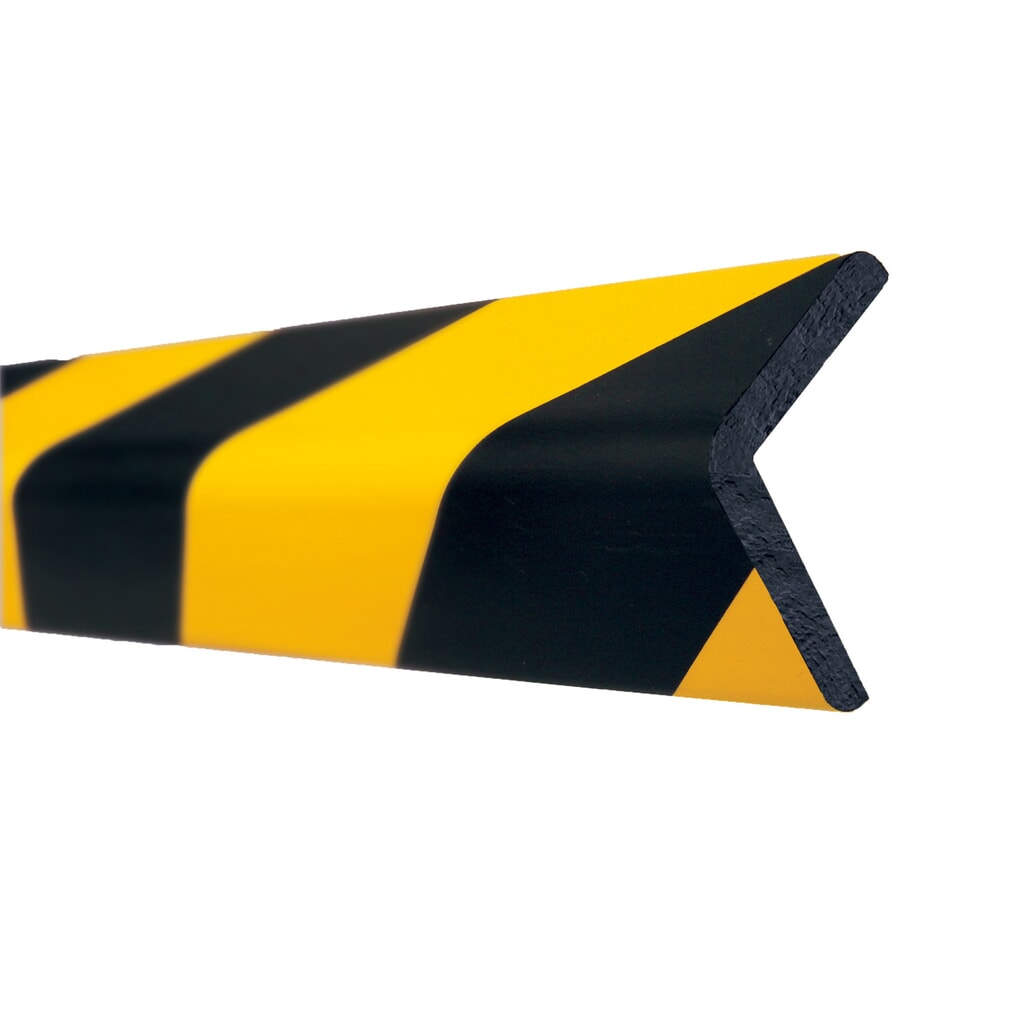 MORAVIA impact protector for edges, angular, pointed, self-adhesive, HxW 60 x 60 mm, length 1 m
- PU foam with black/yellow signal colours
- Suitable for indoor and outdoor use
- Resistant to moisture, heat, UV light and frost
7 Working days
£56.00 -
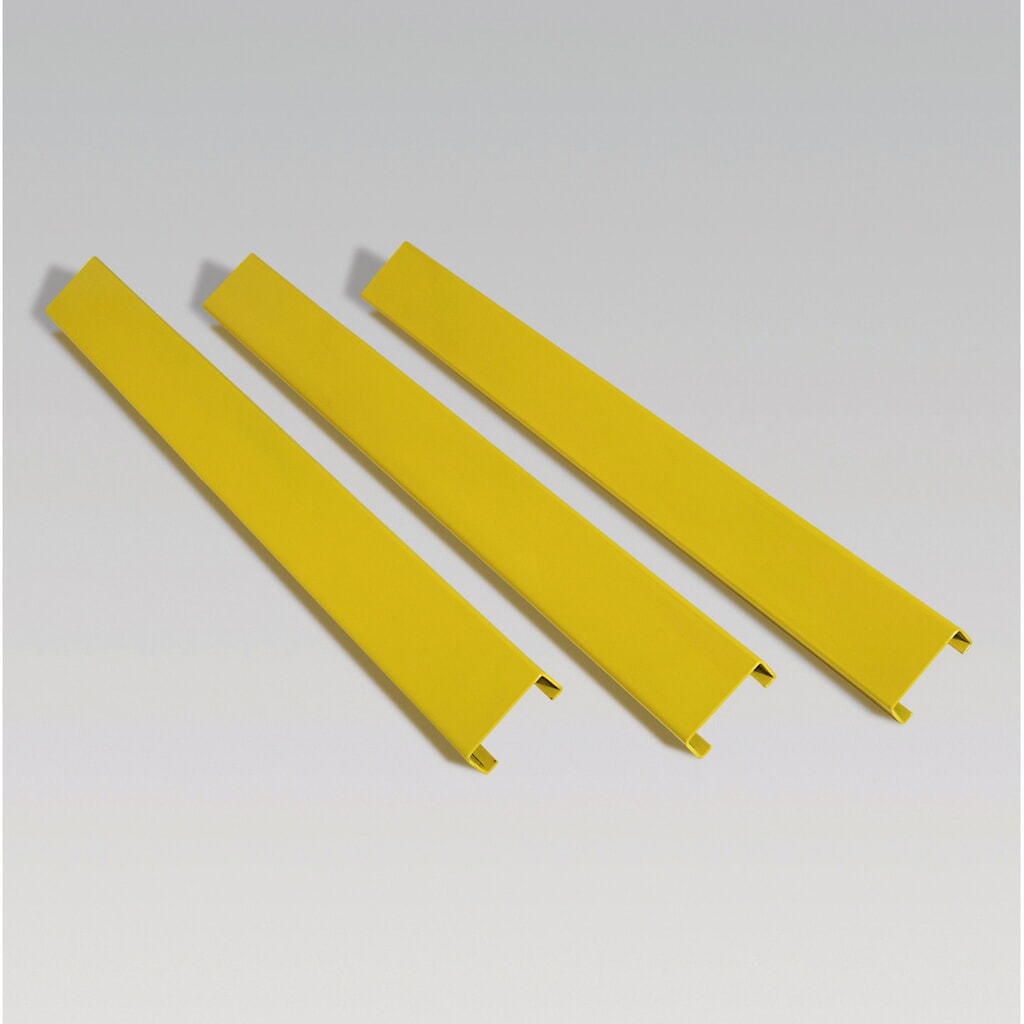 Barrier boards, C profile, indoor use
- Made from solid steel, plastic-coated
- Corrosion-resistant
- Designed for indoor use
7 Working days
from £70.00 -
Topseller
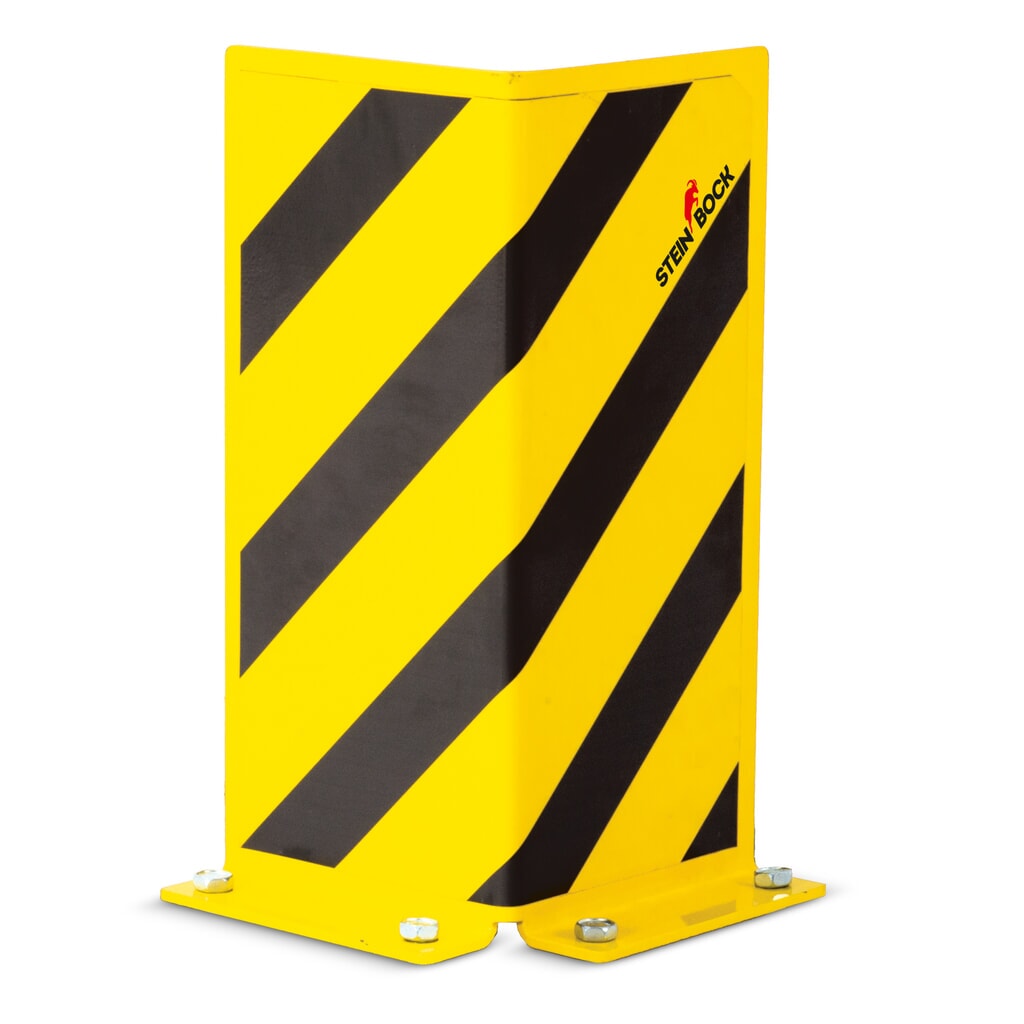 Steinbock® deflector corner, angle
- Robust thanks to 5 mm steel plate with powder coating
- Angle profile for two-sided protection
- Signal colours ensure high warning effect
8 Working days
MSRP £49.00£45.08 -
Topseller
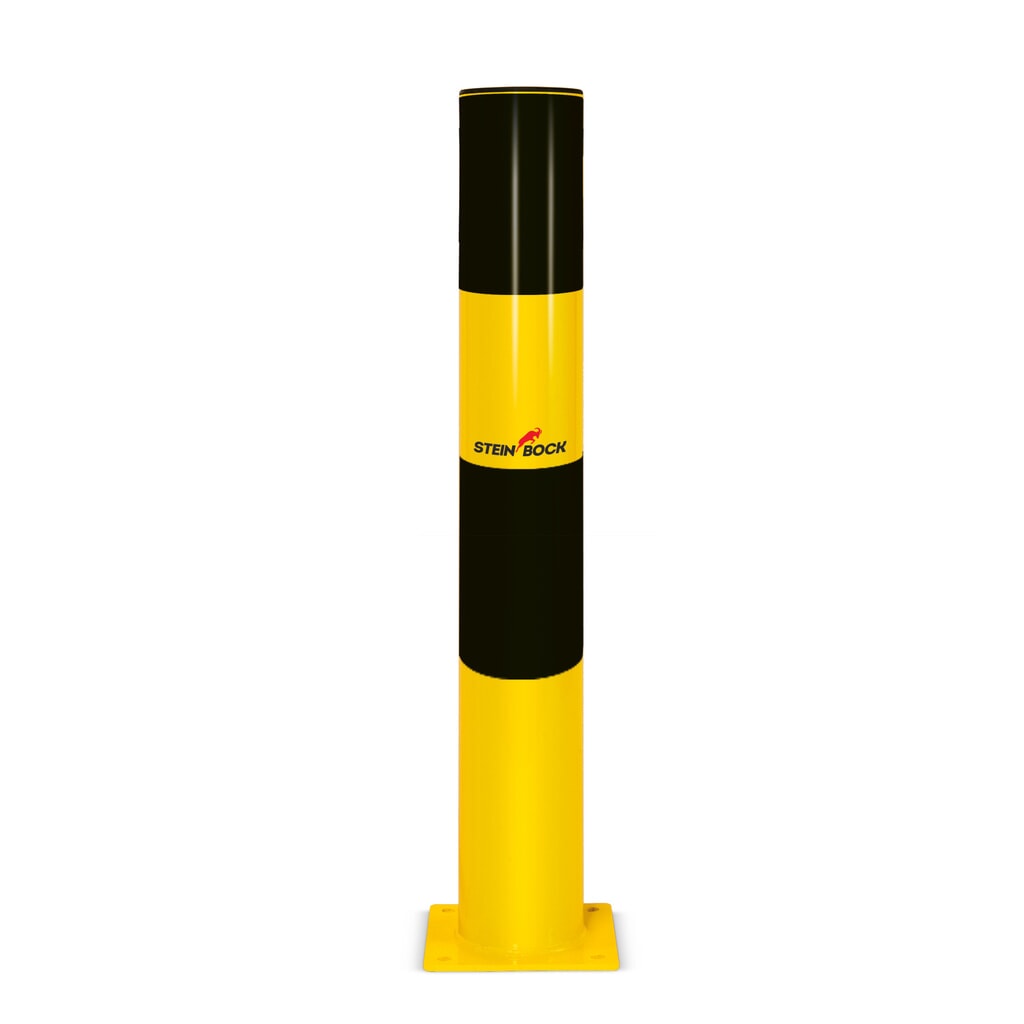 Steinbock® impact protection bollard, indoor use, height 1,100 mm, Ø 89–159 mm
- Powder-coated steel
- For indoor use
- Robust design
8 Working days
MSRP £150.00from £127.50 -
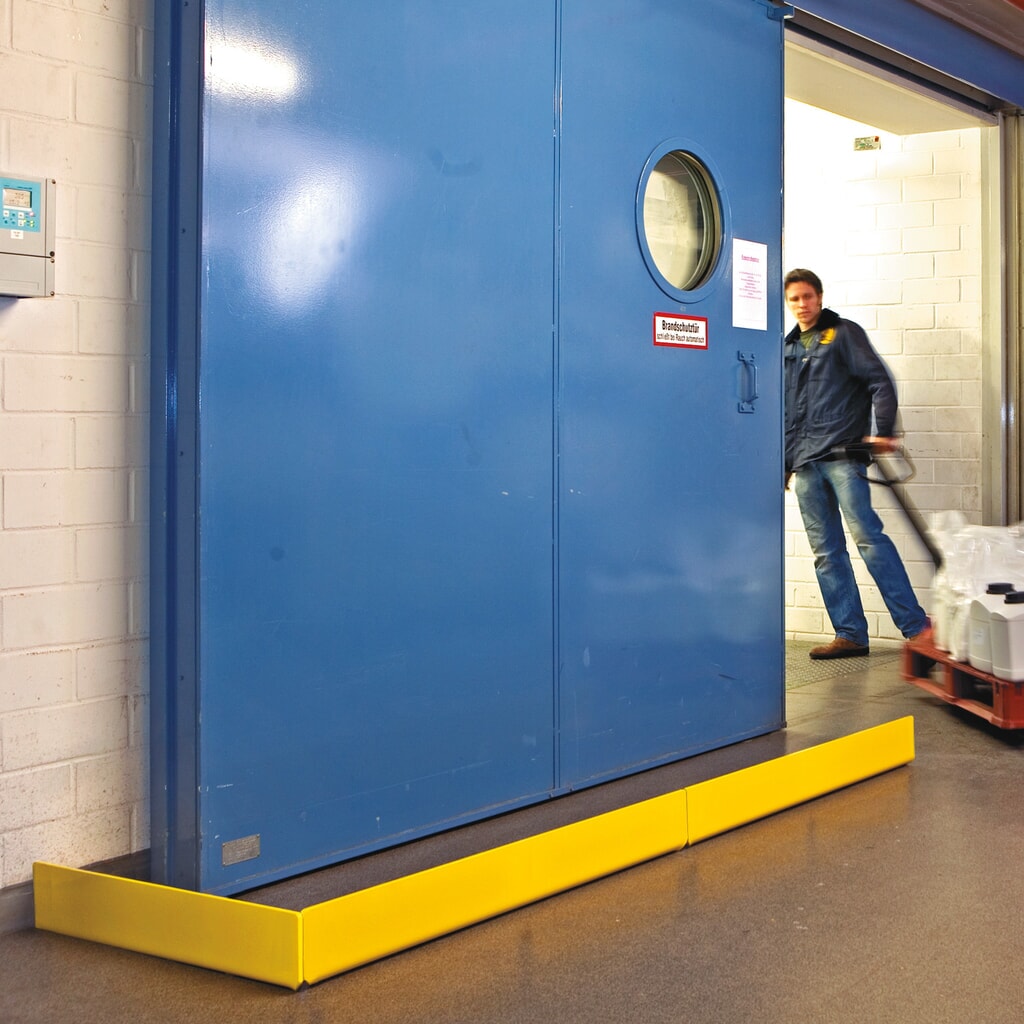 Guide barrier
- Minimises collision damage caused by transport vehicles
- Made from plastic-coated steel
- For indoor use
7 Working days
from £110.00 -
Sale Only 9 days left
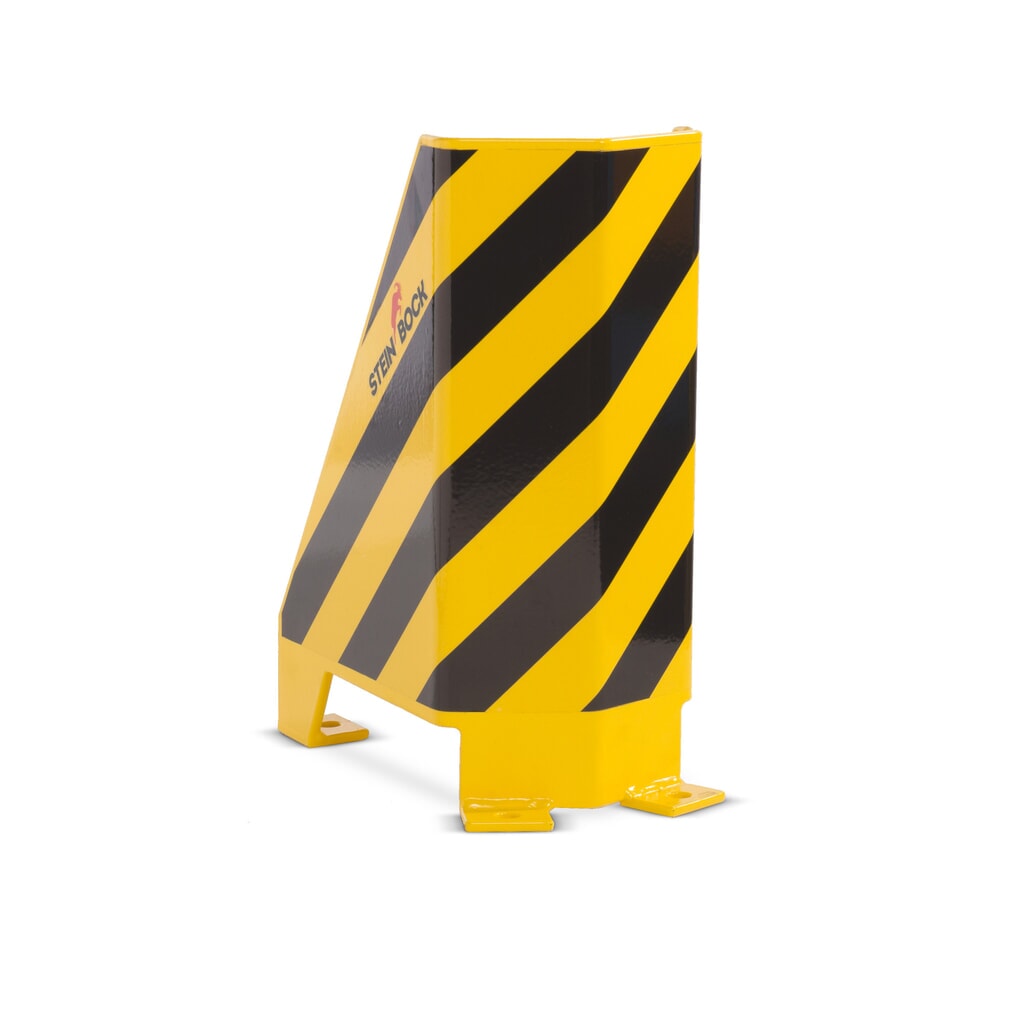 Steinbock® deflector corner, U-profile
- Robust thanks to 5 mm steel plate with powder coating
- U-profile offers protection on three sides
- Signal colours ensure high warning effect
8 Working days
MSRP £57.00£52.44 -
Topseller
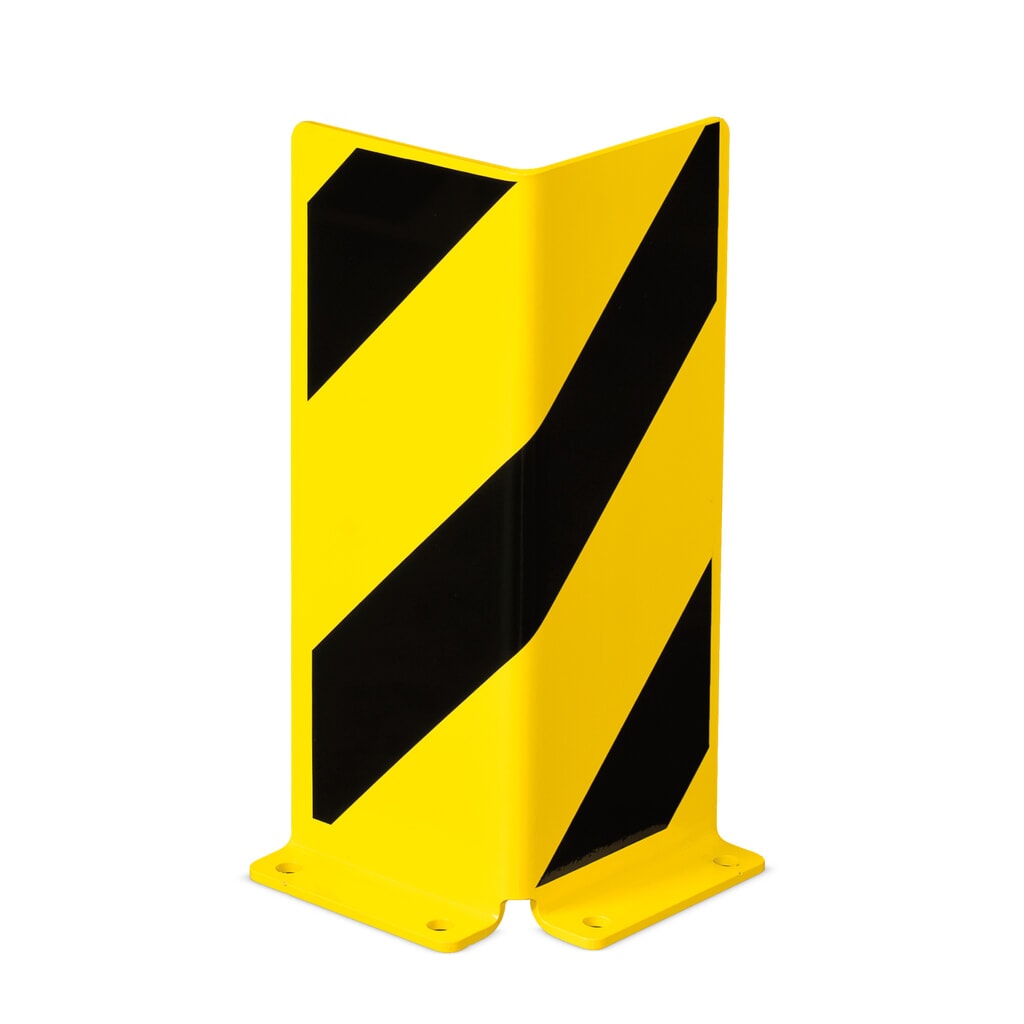 deflector corner, angle profile
- Suitable for indoor use thanks to powder coating
- Available in 400, 800 or 1,200 mm height.
- Angular shape offers 2-sided protection
7 Working days
from £42.00 -
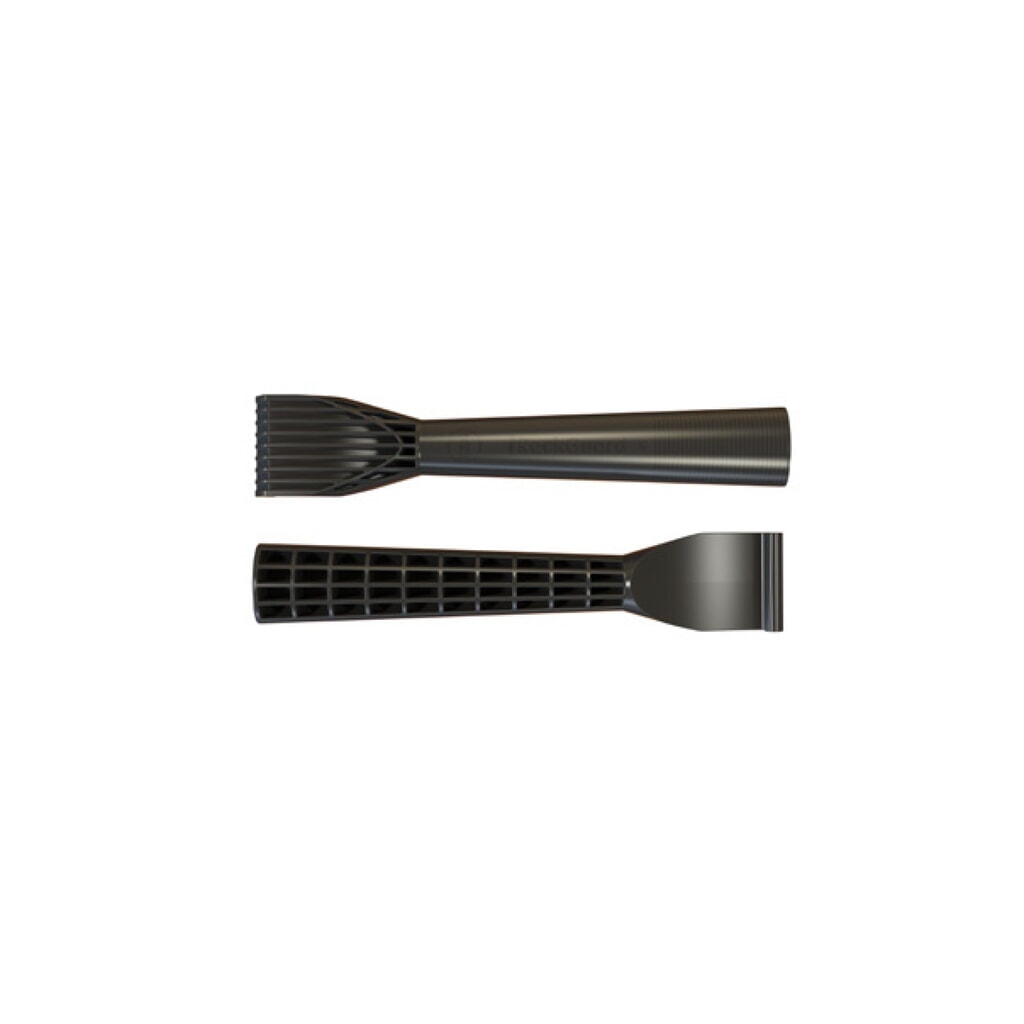 A-SAFE installation tool set for collision protection for racks
- Installation tool for easy fitting and removal of the collision protection
- Made from hard-wearing HDPE plastic
8 Working days
£55.00 -
Topseller
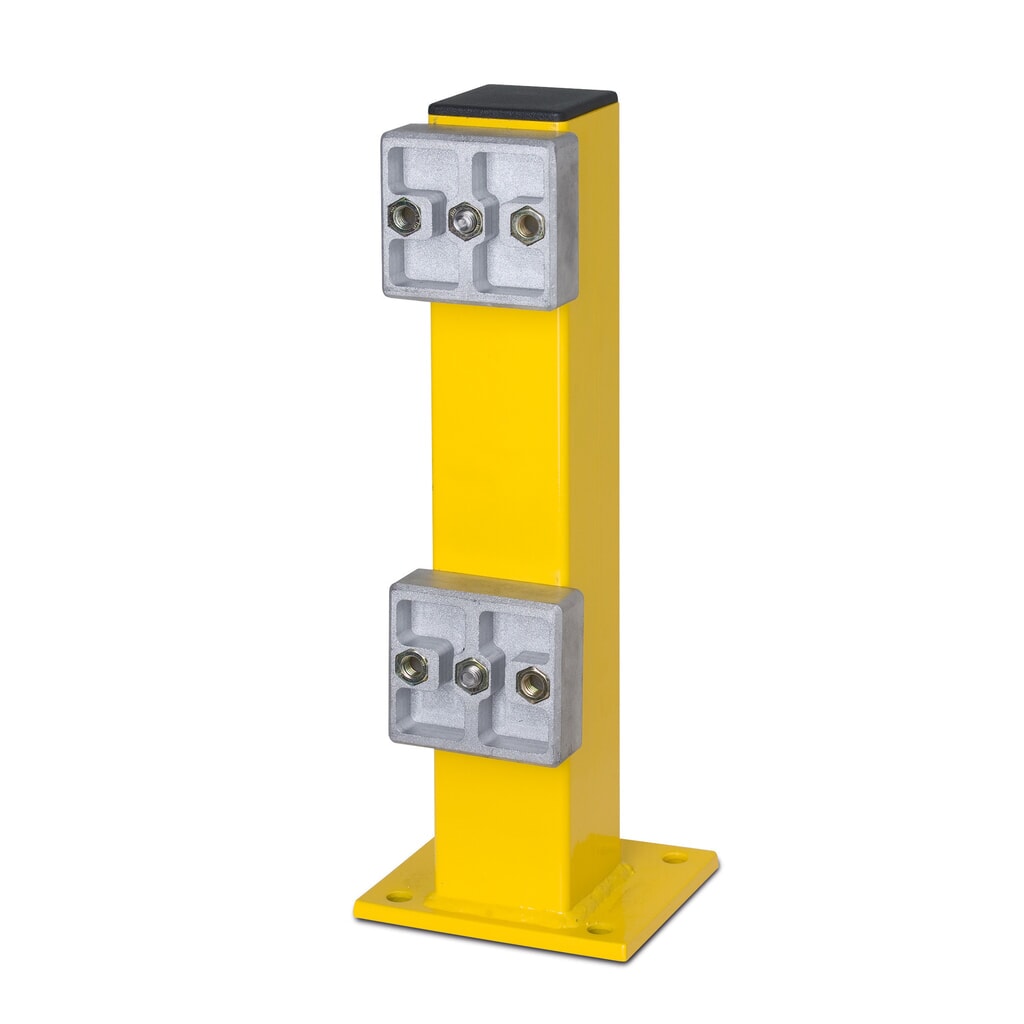 Post for C-profile barrier boards, indoor use
- Solid steel elements with base plate for maximum impact absorption
- Designed for indoor use
- Flat head
7 Working days
£140.00 -
Topseller
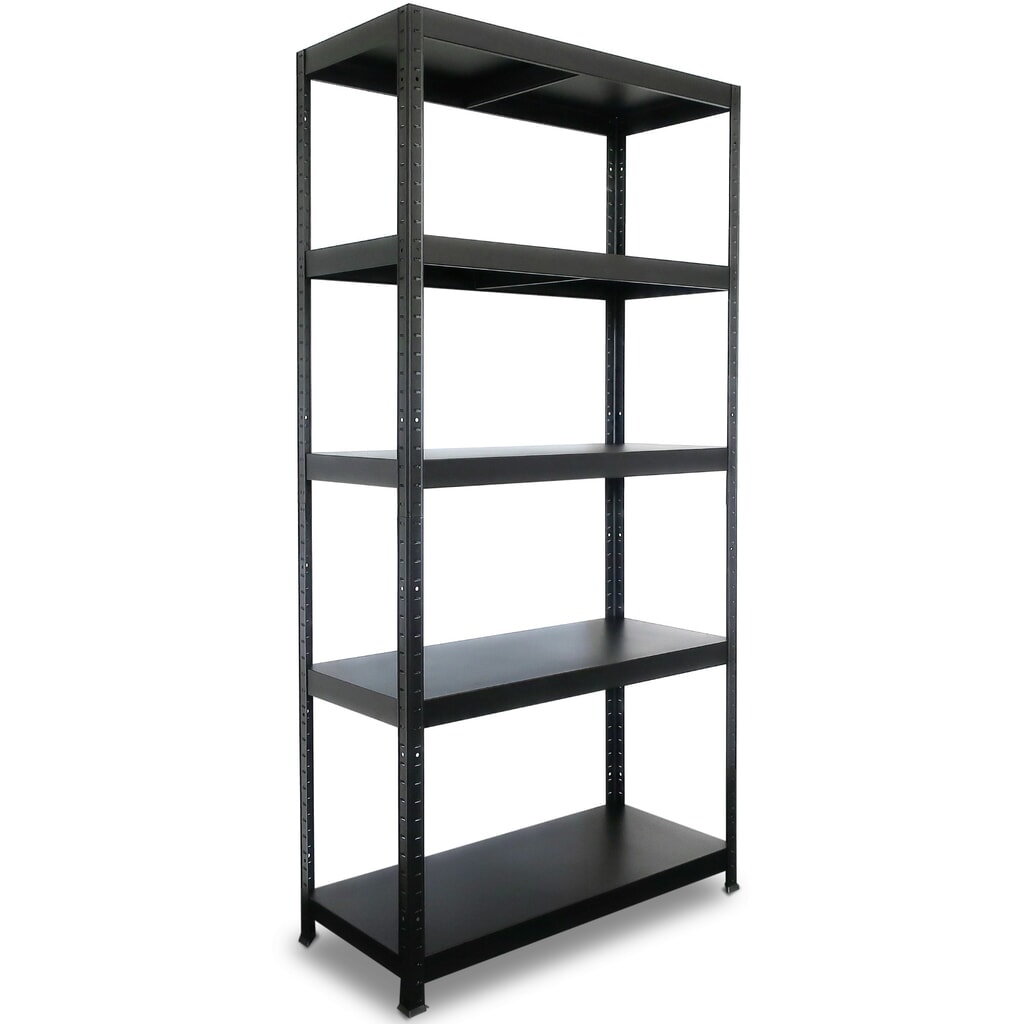 HEMMDAL boltless metal rack, shelf load 130 kg
- Boltless system enables quick and simple tool-free assembly
- 175 kg shelf load
- High stability thanks to painted steel, high material thickness and additional reinforcements
8 Working days
MSRP £99.00£94.05 -
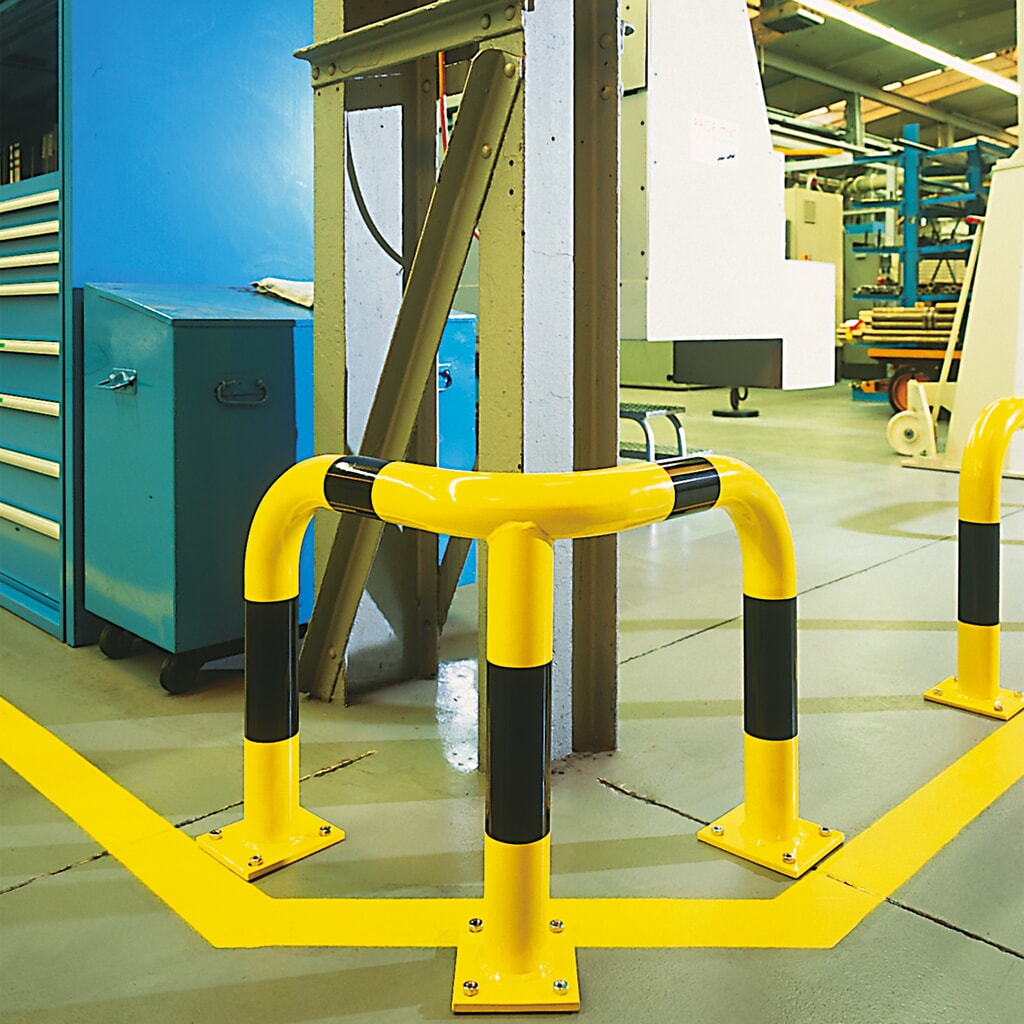 Corner hoop guard for indoor and outdoor use, hot-dip galvanised
- The corner hoop guard offers reliable impact protection
- Signal colours ensure excellent visibility
- The hoop guard is hot-dip galvanised and thus protected against corrosion
7 Working days
from £360.00 -
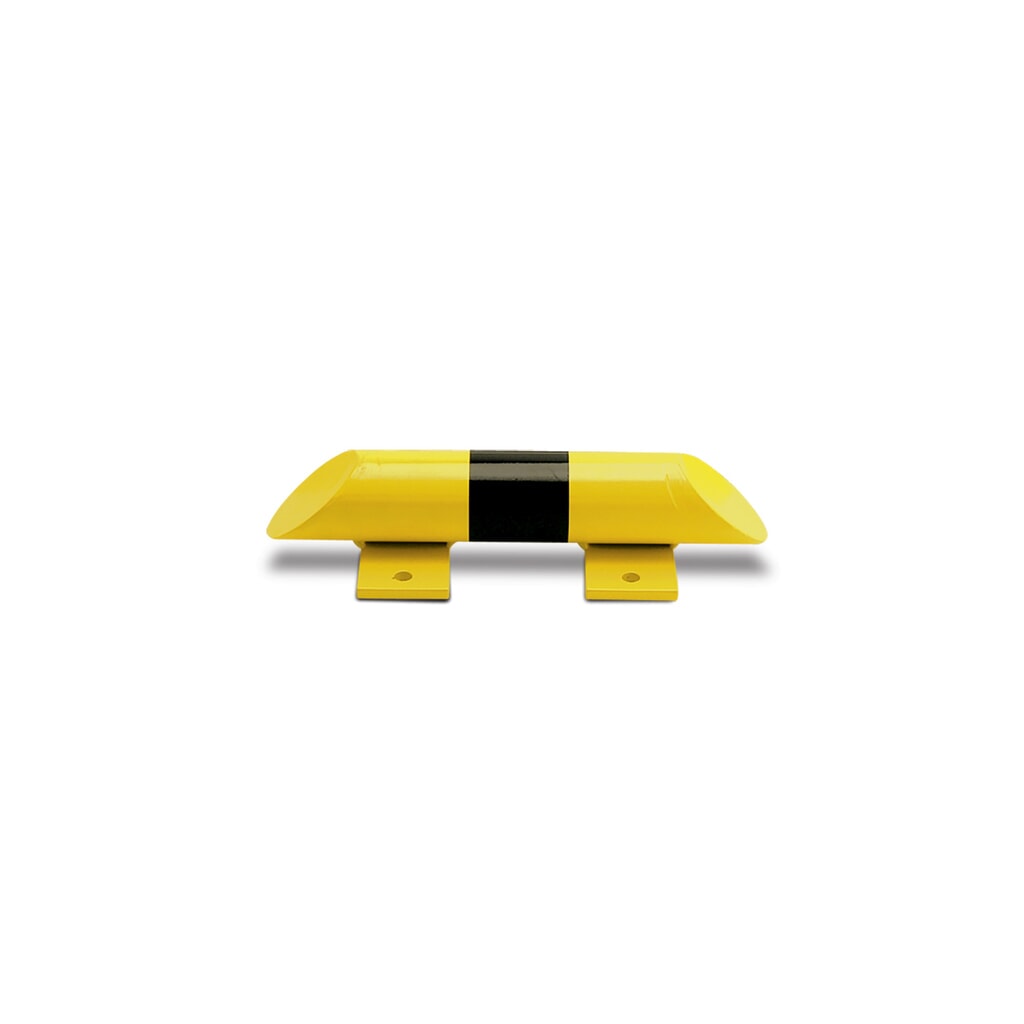 Impact protection bar for indoor use
- Durable impact protection bar for indoor use
- Easily visible, yellow plastic coating with contrasting black stripes
- Stable base plates for rapid, secure installation
7 Working days
from £50.00 -
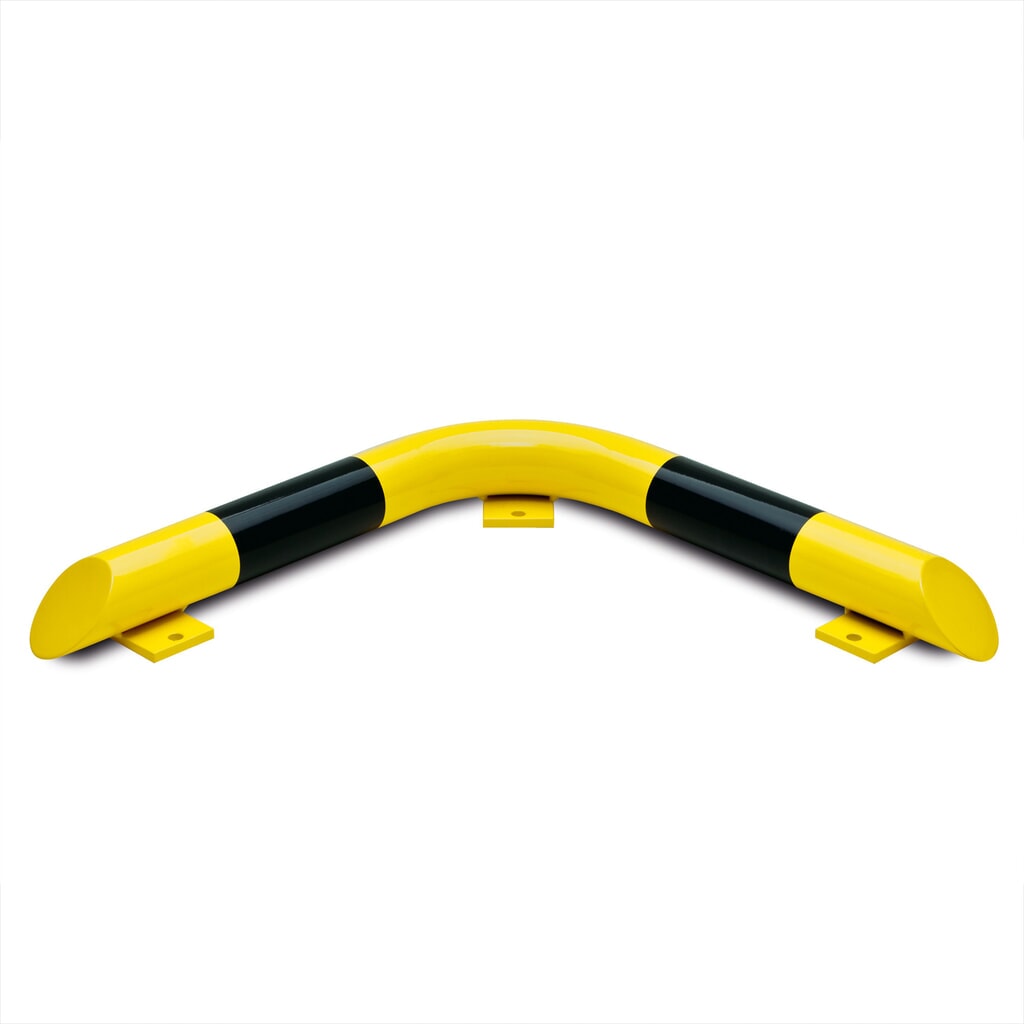 Impact protection corner piece
- The impact protection bar is a flexible component for use in traffic guidance systems
- The high-quality steel is extremely durable
- Secure installation via 3 base plates
7 Working days
£160.00 -
 Impact protection crossbar for indoor use
- Crossbar for impact protection railing system for indoor use
- Robust sectional steel for maximum durability
- Yellow plastic coating for enhanced visibility
7 Working days
from £89.00 -
Impact protection crossbar for outdoor use
- Impact protection railing made from solid sectional steel
- High visibility thanks to yellow plastic coating
- Protects working areas, goods and buildings
7 Working days
from £140.00 -
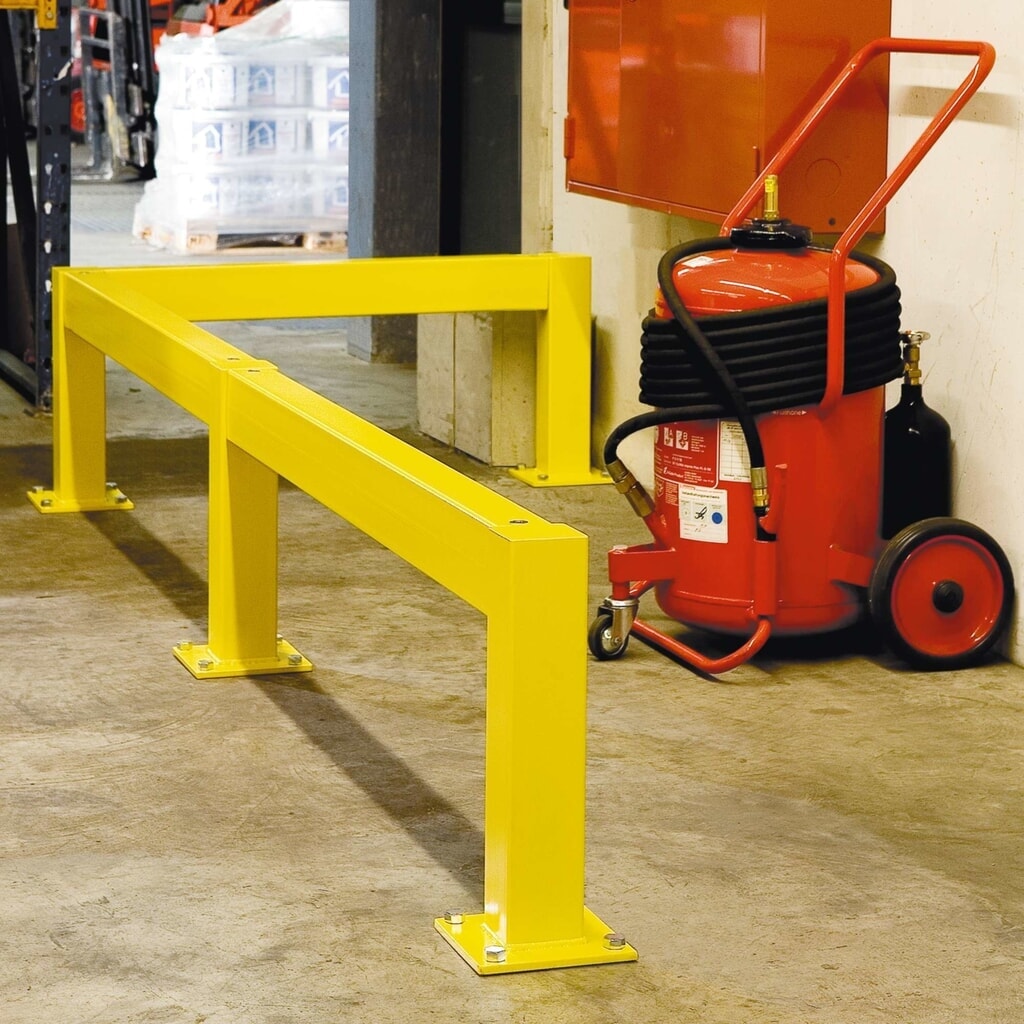 Impact protection railing post, indoor use
- Suitable for indoor use
- Post for use in combination with crossbars
- Made from highly robust sectional steel with plastic coating
7 Working days
from £85.00 -
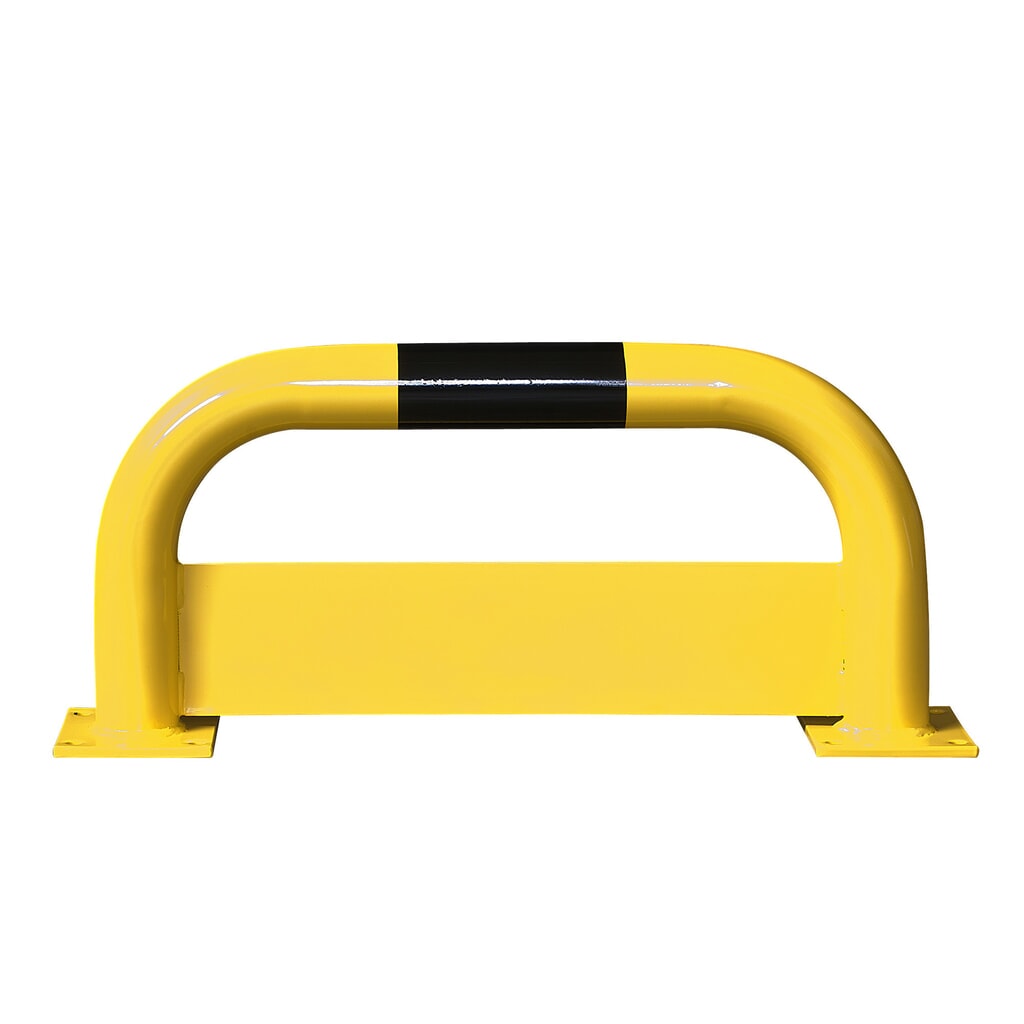 Hoop guard with underride barrier
- Impact protection made from high-grade steel for indoor use
- 4 mm thick steel plate as underride barrier
- High signal effect thanks to yellow/black plastic coating
7 Working days
from £220.00 -
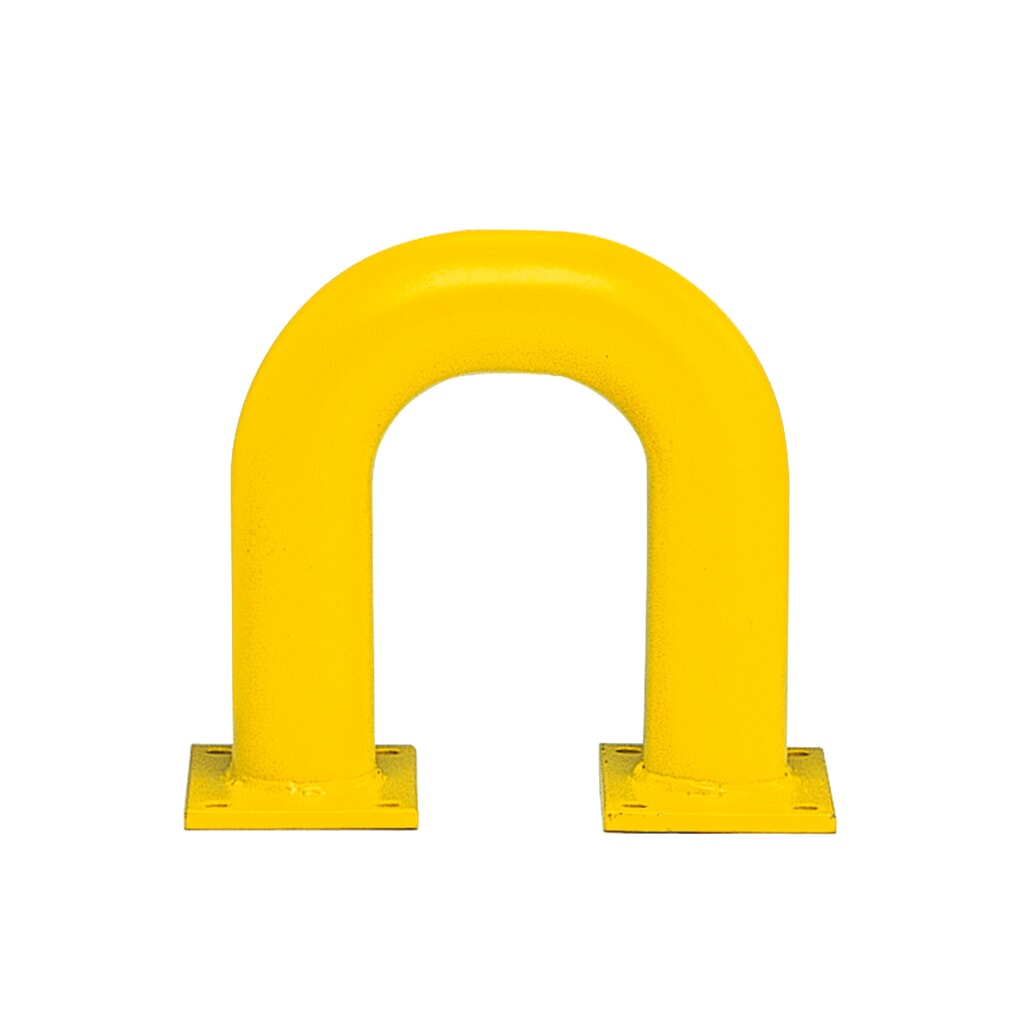 Hoop guard for outdoor use, diameter 76 mm
- Hot-dip galvanised hoop guard for outdoor use
- Black/yellow plastic coating
- Attachment via base plates for floor anchoring
7 Working days
from £180.00 -
Hoop guard for indoor use, diameter 76 mm
- Highly robust hoop guard for indoor use, diameter 76 mm
- Quality high-grade steel with a thickness of 3 mm
- Yellow plastic coating with black signal stripes for enhanced visibility
7 Working days
from £130.00 -
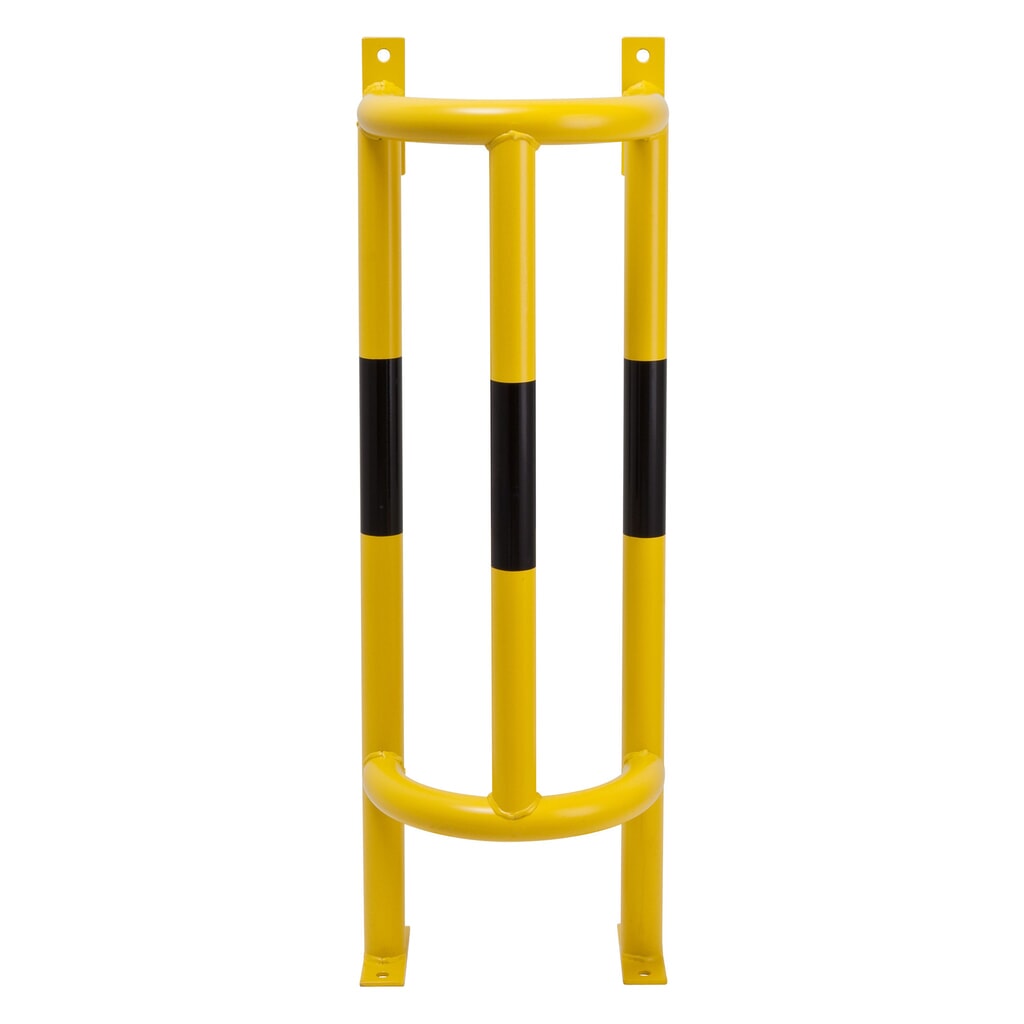 Pipe guard for outdoor use
- Steel pipe guard for outdoor use
- Reliable protection for (down)pipes and cable looms
- Straightforward wall mounting via practical floor and wall plates
7 Working days
from £280.00


Warehouse equipment for all types of warehouses
Professional warehouse equipment keeps the warehouse tidy, streamlines workflows and protects both stock and staff from damage. This buying guide shows you what to look out for when purchasing equipment for warehouses.
1. Pick warehouse equipment that suits your needs
From euro boxes to industrial shelving: At Jungheinrich PROFISHOP, you can buy warehouse equipment for all types of stored goods and storage systems. Our products are designed to fulfil the primary objective of warehousing: making optimum use of the available storage space.
Our warehouse equipment is designed with your employees’ safety in mind. Sturdy construction, durable materials and, where legally required, certified safety features help prevent workplace accidents while protecting your people, machinery and stored goods. Before purchasing warehouse supplies, consider the following questions to help you choose the right solutions for your needs:
- What types of goods will be stored? Consider their shape, dimensions, length and weight.
- Which inventory rotation methods do you use, such as FIFO or LIFO?
- How much space is available in your storage areas, and how can you use it most efficiently?
- Do windows, doors, passageways or other structural features need to be considered when planning the warehouse layout?
- Are industrial trucks used in the warehouse? If so, which additional safety measures are required?
- Which tasks are carried out in the warehouse, such as receiving goods or processing returns? Do any of these activities require a dedicated area and specialised equipment?
- Would mobile workstations support your warehouse operations?
2. Industrial shelving for different types of goods
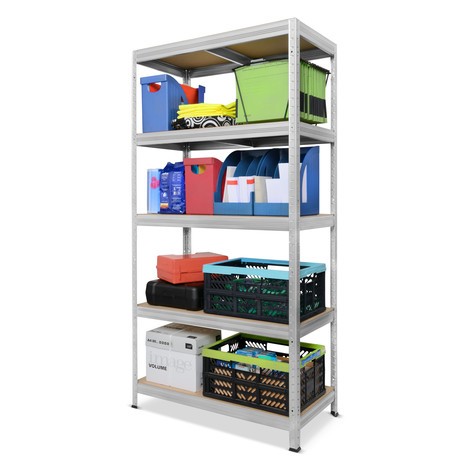
Industrial shelving is essential warehouse equipment, forming the heart of any warehouse layout. Longspan shelving can support even the heaviest loads with a total weight of several tonnes, thus providing the ideal storage space for large quantities of goods and merchandise. Thanks to sturdy steel structures and flexible plug-in or bolted systems, this industrial warehouse equipment can be extended to almost any width. This means that when planning your warehouse layout, you can choose racking that fits your storage areas perfectly.
Please note: Always select a basic unit as the starting point for your shelving system. A basic unit is a complete storage unit that can be assembled and used independently. You can extend it with add-on units, which cannot stand alone and must be connected to an existing basic unit.
At Jungheinrich PROFISHOP you can buy the following types of industrial shelving:
| Type of industrial shelving | Application |
|---|---|
| Longspan shelving |
|
| Shelf racks |
|
3. Stackable storage containers to keep your warehouse organised

Our storage containers are an essential organisational solution for any warehouse. Versatile and durable, they enable you to store general goods, tools and other items safely and efficiently. Made from polyethylene, they are suitable for dry goods, clothing, paper and cardboard, as well as use in cold-storage areas. They are stackable and nestable, offering the following benefits:
- Stackable containers can be stacked on top of one another to make full use of the available space. Our Euro containers are a popular example, as their standardised dimensions are designed to fit pallets precisely.
- Nestable containers can be stacked when full and nested inside one another to save space when empty.
4. Safe working conditions with impact protection

If you use industrial trucks in your warehouse, impact protection is an essential part of your warehouse equipment. Impact protection barriers and bollards help define traffic routes, mark hazardous areas and protect people, machinery and fixtures from collisions and damage. However, impact protection can also be a valuable addition to warehouses where industrial trucks are not used. In fact, static shelving must be fitted with rack protection at least 30 cm high, in yellow and black, wherever this is required by applicable regulations.
You can purchase the following warehouse supplies for effective impact protection in our shop:
| Intended use | Available impact protection |
|---|---|
| Demarcation of operational areas |
|
| Marking and securing traffic routes |
|
| Impact protection against industrial trucks |
|
| Securing hazardous areas |
|
| Impact protection for industrial shelving | |
| Securing columns, posts or pipes |
|
| Fall protection |
|
FAQ for Storage, Racking & Shelving
The shelf load of a shelving unit specifies the maximum load that may be placed on a single shelf. This is on condition that the load is distributed evenly across the shelf. The shelf load is also known as the working load. The bay load, on the other hand, specifies the maximum load that may be placed on an entire shelving bay. This limit must not be exceeded, even if the sum of all shelf loads within the bay is higher. The bay load is also referred to as the load capacity.
Under UK regulations such as the Health and Safety at Work Act 1974 and PUWER 1998, employers must ensure storage racking is regularly inspected, maintained and operated safely. Where industrial trucks are used, standards like BS EN 15635 may also apply, requiring regular inspections by a competent person.
In practice, this means static shelving should be fitted with impact protection at least 30 cm high, marked with black-and-yellow hazard signage. Additional elements, such as marking hazard zones or walkways, aren't mandatory but are recommended.
The term 'stacking load' refers to the load that may be placed on top of a storage container (e.g. by another storage container) while it is standing on solid ground. In contrast, 'load capacity' indicates the maximum weight the container itself may be loaded with during transport.