
Table of contents
Whether in production plants, trade businesses or in your home workshop, chemicals must be disposed of in accordance with chemical disposal regulations. Strict guidelines apply in the UK and throughout Europe, and both industrial companies and private households are obliged to comply.
The term ‘chemicals’ refers to substances that trigger a chemical reaction through their use. While this effect is desired in its intended application, it can have dangerous consequences if mishandled – for example, if chemical substances get into the groundwater. You should always dispose of toxic substances via the appropriate collection points or specialised chemical waste disposal companies. When disposing of potentially hazardous chemicals, never use commercial or household waste.
Before chemical disposal: How to store chemicals properly
Potentially toxic substances such as acids or alkalis are found in a wide variety of products, for example in paints, lacquers, special cleaners, solvents, or chemical fertilisers. Many of these require special care during both use and disposal. The chemical ingredients can be divided into three groups:
| Property | Example products |
|---|---|
| • Flammable and/or explosive | • Plastics • Lacquers • Solvents • Oils |
| • Solid or liquid corrosive substances | • Sodium peroxide • Chlorine • Caustic soda • Building lime • Phosphoric acid • Nitric acid • Sodium hydroxide solution • Sulphur dioxide |
| • Environmentally hazardous substances | • Sulphur trioxide • Trichloromethane • Heavy metals (lead, mercury) |
It is essential to store chemicals separately from each other and from other waste products. This prevents dangerous reactions causing smoke, fire or explosions during interim storage. In addition, you should ensure that all waste is optimally recycled, as required by UK waste legislation.
Self-igniting materials (such as oil or grease-soaked rags) must be stored immediately after use in tightly sealed metal containers and soaked in water or spread out in the open air. Depending on the chemical, various special containers, tubs or storage cabinets are suitable for this purpose. For example, fireproof containers for highly flammable substances or collection bins for the disposal of laboratory chemicals including acids and alkalis.
For information on which containers are suitable for temporary storage, see the Control of Substances Hazardous to Health (COSHH) Regulations 2002.
When working with hazardous substances, always keep organic solvents such as brush cleaners, cold cleaners, petrol, or liquid barbecue lighter fluid sealed. Never pour them down the drain or into the toilet! Organic solvents evaporate very easily and pose a considerable threat to the atmosphere. Use solvent-free alternatives that you can dilute with water, such as acrylic resin-based varnish.
What to pay attention to when storing chemical waste
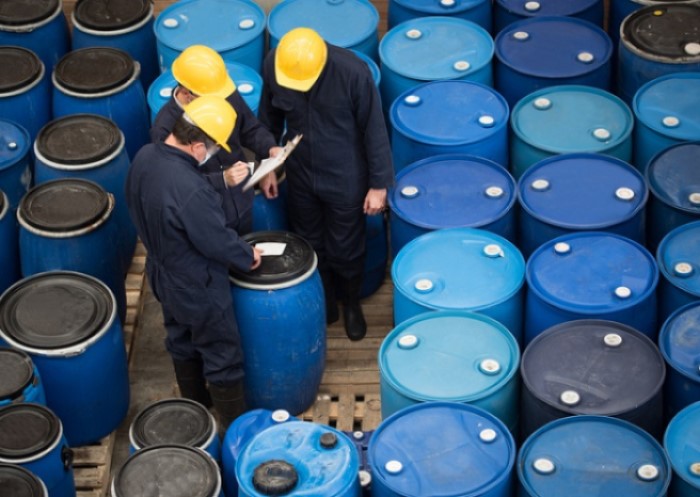
Within your business, you must store chemical waste in a safe location and ensure that waste is clearly labelled. Make sure that the following conditions are met:
- Well-ventilated space with impermeable, easy-to-clean floor covering
- Spill trays or basins for toxic liquids where necessary
- Always keep containers with organic liquids tightly closed
- Label the room with appropriate safety instructions, safety signs and hazard symbols
- Label the chemical waste disposal containers with the corresponding hazard symbols, materials, and the official waste code according to the relevant regulations.
Disposing of chemicals for businesses
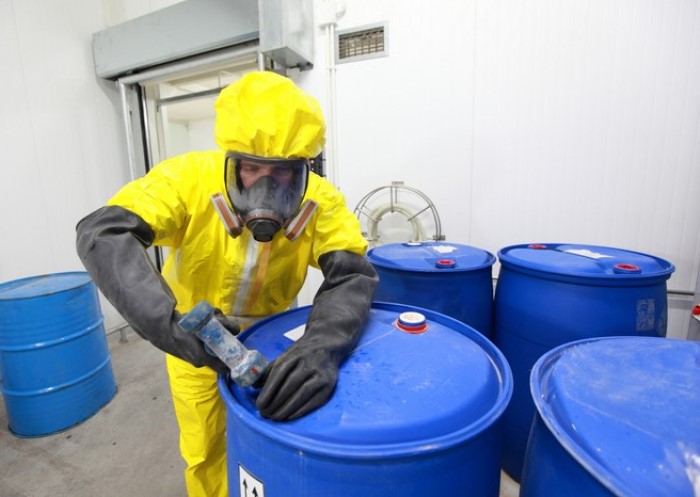
Industrial companies or laboratories that produce large quantities of hazardous substances usually hire external service providers who specialise in the disposal of organic or inorganic laboratory chemicals and hazardous substances. These certified waste management companies usually provide the appropriate collection containers and replace them at the agreed intervals. Depending on the substance and waste code, the service provider transports the chemicals to a special incineration plant or a chemical-physical treatment centre. The service provider is responsible for disposing of the chemicals in a professional manner and taking care of the necessary documentation.
Private chemical disposal
In private households, chemical waste usually occurs only in small quantities and is therefore exempt from the strict storage and labelling regulations. Documentation of disposal is also not necessary. Nevertheless, you must ensure that hazardous substances are stored safely and pose no danger to people or the environment. The same applies here: always store potentially hazardous substances separately from one another.
When disposing of chemical waste privately, check which of the following options are available in your area:
- Check your local council’s website for collection points or household waste recycling centres (HWRCs) in your area.
- Hazardous waste collection services, which some councils provide for chemical waste disposal and other hazardous substances.
For certain products, you can also take advantage of voluntary take-back schemes offered by retailers. For example, you can return expired medicines to pharmacies or dispose of waste oil through the manufacturer.
Which products are not allowed to be disposed of in household waste?
Private households also generate chemicals that must not be disposed of in household waste. The following products must be disposed of at a household waste recycling centre or returned to the manufacturer:
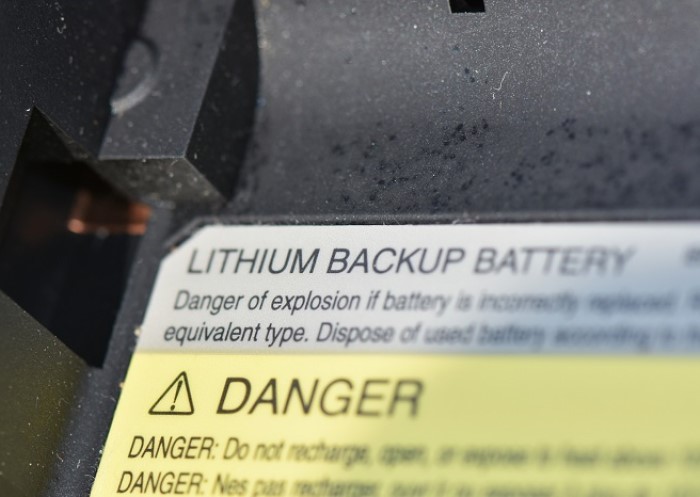
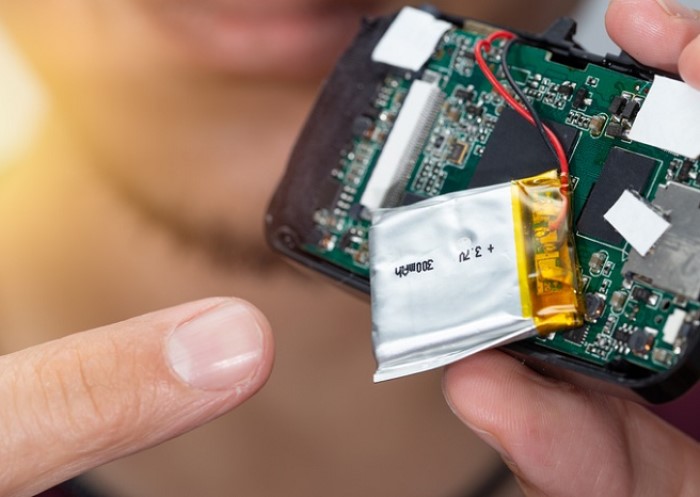
- Batteries and rechargeable batteries
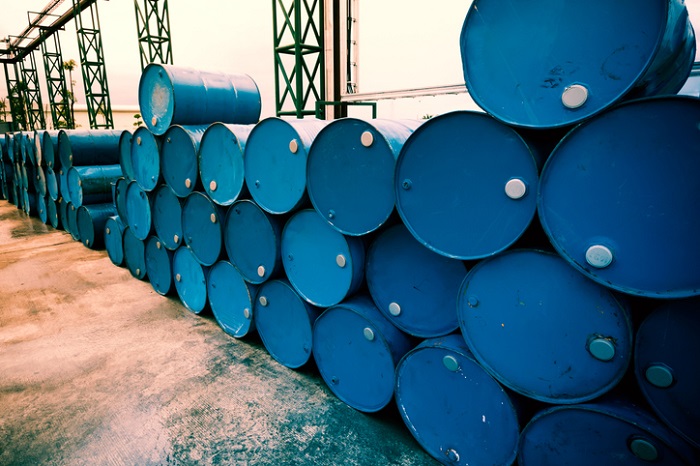
- Motor, gear, and hydraulic oil
- Brake fluid
- Plant protection products and pesticides
- Acids and alkalis
- Spray cans, e.g. paints and lacquers
- Antifreeze
- Fertilisers
- Photographic chemicals
FAQ for chemical waste disposal
Chemicals can have hazardous properties. They can be explosive or corrosive and have properties that harm water, soil, or the air. Living organisms can also be harmed by chemicals. Incorrect storage and disposal can lead to explosions, fire or serious environmental and health damage. It is therefore essential to dispose of chemicals via appropriate collection points or specialised disposal companies and never in household waste.
The legal framework for the disposal of chemicals and other hazardous substances in the UK is formed by the following legislation:
• If you produce, transport, or receive hazardous waste you will have responsibilities under the Hazardous Waste (England and Wales) Regulations 2005, which require correct labelling, storage and disposal methods to prevent environmental contamination.
• Some businesses involved in waste and recycling activities may have obligations under UK REACH, especially where waste substances are being recovered for re-use.
• If your business works with hazardous materials, then you will need to ensure you have suitable storage in line with the COSHH Regulations 2002.
• The Environmental Protection Act 1990 establishes the duty of care for all businesses handling waste.
• The Health and Safety at Work Act 1974 provides the overarching framework for workplace health and safety, including the handling of hazardous substances.
Chemicals or chemical ingredients can be divided into three groups:
• Flammable and/or explosive chemicals: e.g. plastics, lacquers, solvents, oils
• Solid or liquid corrosive substances: e.g. sodium peroxide, chlorine, caustic soda, building lime, phosphoric acid, nitric acid, sulphur dioxide
• Environmentally hazardous substances: e.g. sulphur trioxide, trichloromethane, heavy metals such as lead or mercury.
You have various options for disposal depending on the substance type and its quantity. In all cases, you must store chemicals separately from each other and from other waste.
For production facilities and larger quantities of toxic substances you may need to hire an external service provider who will ensure proper disposal and provide complete documentation.
As a private household, you have the option of disposing of your chemicals at collection points, recycling centres, or through council-led hazardous waste collection services. It may also be possible to return the chemicals to the manufacturer
You must dispose of the following products at a recycling centre:
• Batteries and rechargeable batteries
• Motor, gear, and hydraulic oil
• Brake fluid
• Plant protection products and pesticides
• Acids and alkalis
• Spray cans, e.g. paints and lacquers
• Antifreeze
• Fertilisers
• Photographic chemicals
Please note: The regulations mentioned above represent only a selection of the most important legal requirements. Please refer to the listed organisations and directives for more detailed information. If in any doubt, consult experts or contact the relevant regulatory authorities.
Image source:
© gettyimages.de – endopack